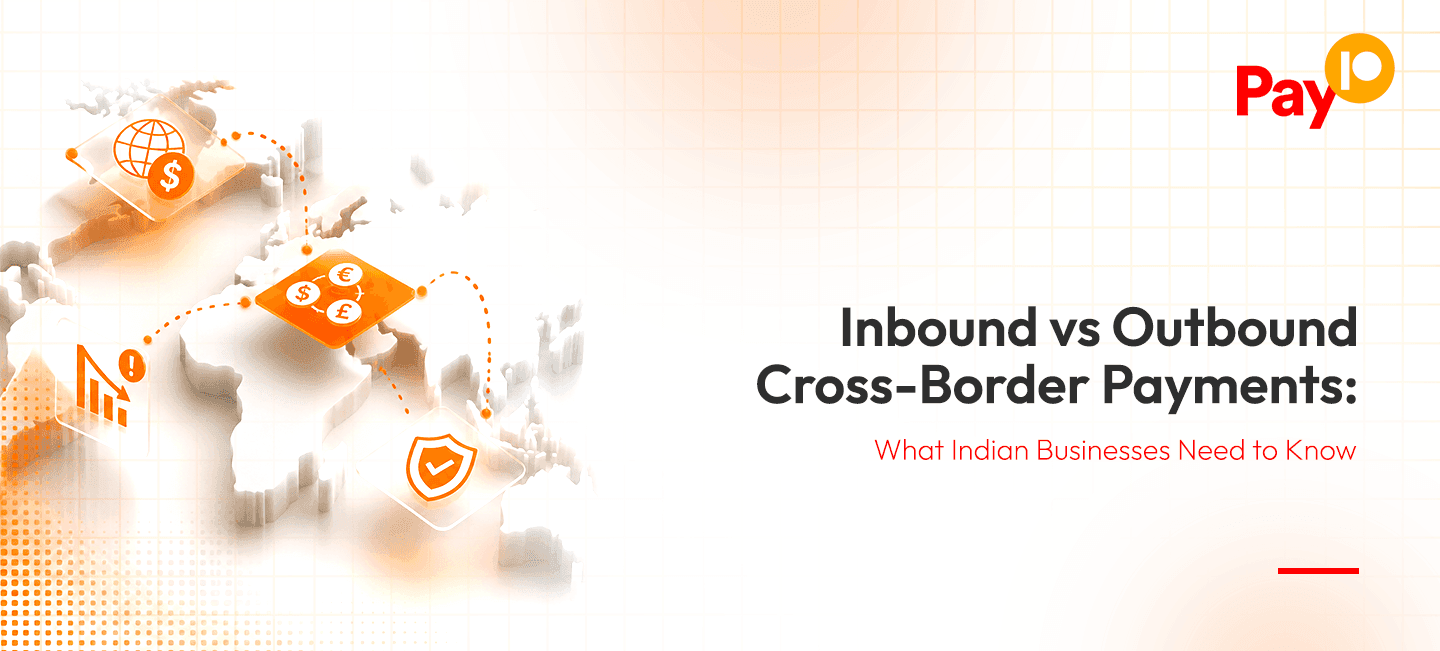
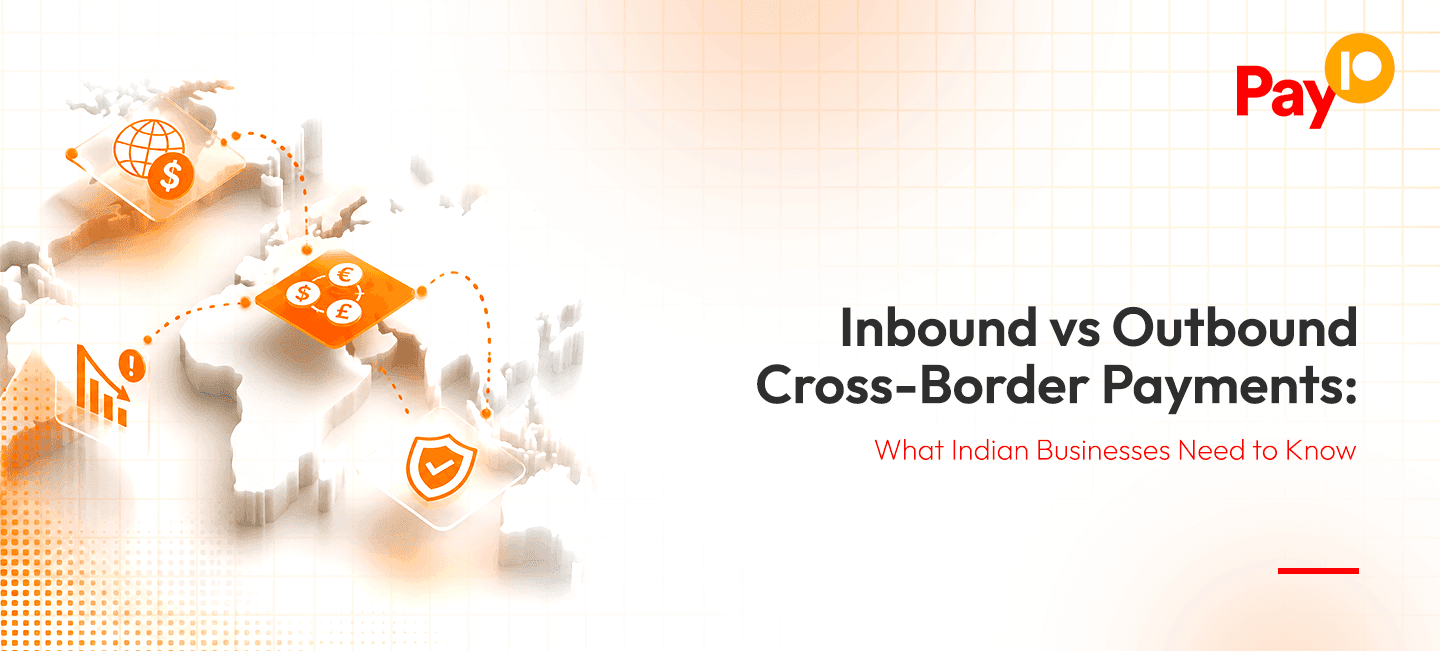
As Indian companies go global, cross-border transactions have become a necessity. As an exporter who is receiving payments from international clients or making payments to international vendors, it is important to understand how cross-border transactions work. At Pay10, we work with companies that make cross-border transactions on an everyday basis. One of the most common misconceptions that surfaces is between inbound and outbound cross-border payments. Although both types of payments involve foreign currencies, they are used for two completely different purposes.
Inbound cross-border payments refer to payments that are received in India from other countries. These payments are mostly received from international customers, clients, or international marketplaces.
Some of the common examples of inbound payments include:
Inbound payments affect revenue growth. But at the same time, they also pose certain challenges, such as currency conversion, payment timing, and compliance. Pay10 allows Indian businesses to receive international payments through a single payment gateway. Businesses looking to streamline global collections can benefit from a dedicated cross-border payment setup that consolidates multiple currencies, international customers, and compliant settlements into one dashboard, instead of juggling separate banking relationships for each market.
Outbound cross-border payments managed through an outward remittance payment Gateway are payments that are made from India and sent to recipients outside the country. These are mostly business expenses and not revenue.
Examples of outbound cross-border payments are:
Outbound payments can be complex and require planning because they involve exchange rates, banking regulations, and compliance checks in the destination country. This can affect vendor relationships and business timelines.
For Indian businesses operating globally, it is important to track outbound payments as it is to track revenue.
Expand globally with confidence. Pay10's RBI-authorised cross-border payment solutions help businesses receive international payments through trusted payment infrastructure.
Inbound and outbound payments affect different parts of your business.
When you treat both of them as one process, it can result in cash flow discrepancies, reconciliation problems, and increased costs. Understanding the difference will help businesses plan better, price accurately, and expand sustainably.
The following are some of the most common challenges that merchants face:
Pay10 combines regulatory compliance, secure payment processing, and enterprise payment infrastructure for cross-border transactions.
Pay10 World helps Indian merchants with a systematic approach to deal with cross-border payments.
Inbound and outbound cross-border transactions have different uses, but both are important for any Indian businesses that are operating in international markets. Inbound transactions earn revenue for a business, while outbound transactions help in supporting international operations. In order to manage your cash flow more effectively and minimise the exposure to any kind of risks during international operations, it is necessary to understand the differences between inbound and outbound cross-border transactions.
At Pay10, we work towards making overseas payments easier for Indian companies with a global presence and provide them with clarity, control, and certainty for all of their foreign exchange transactions.