An international payment gateway enables businesses to securely accept payments across countries, currencies, and payment methods. Modern solutions offer multi-currency processing, fraud prevention, advanced security, automated reconciliation, and global payment options. Choosing the right gateway requires evaluating market coverage, payment methods, pricing, integration, compliance, settlement, scalability, and customer experience.
An international payment gateway does far more than simply process payments. It directly influences customer experience, conversion rates, cash flow, compliance, fraud prevention, and business growth across global markets.
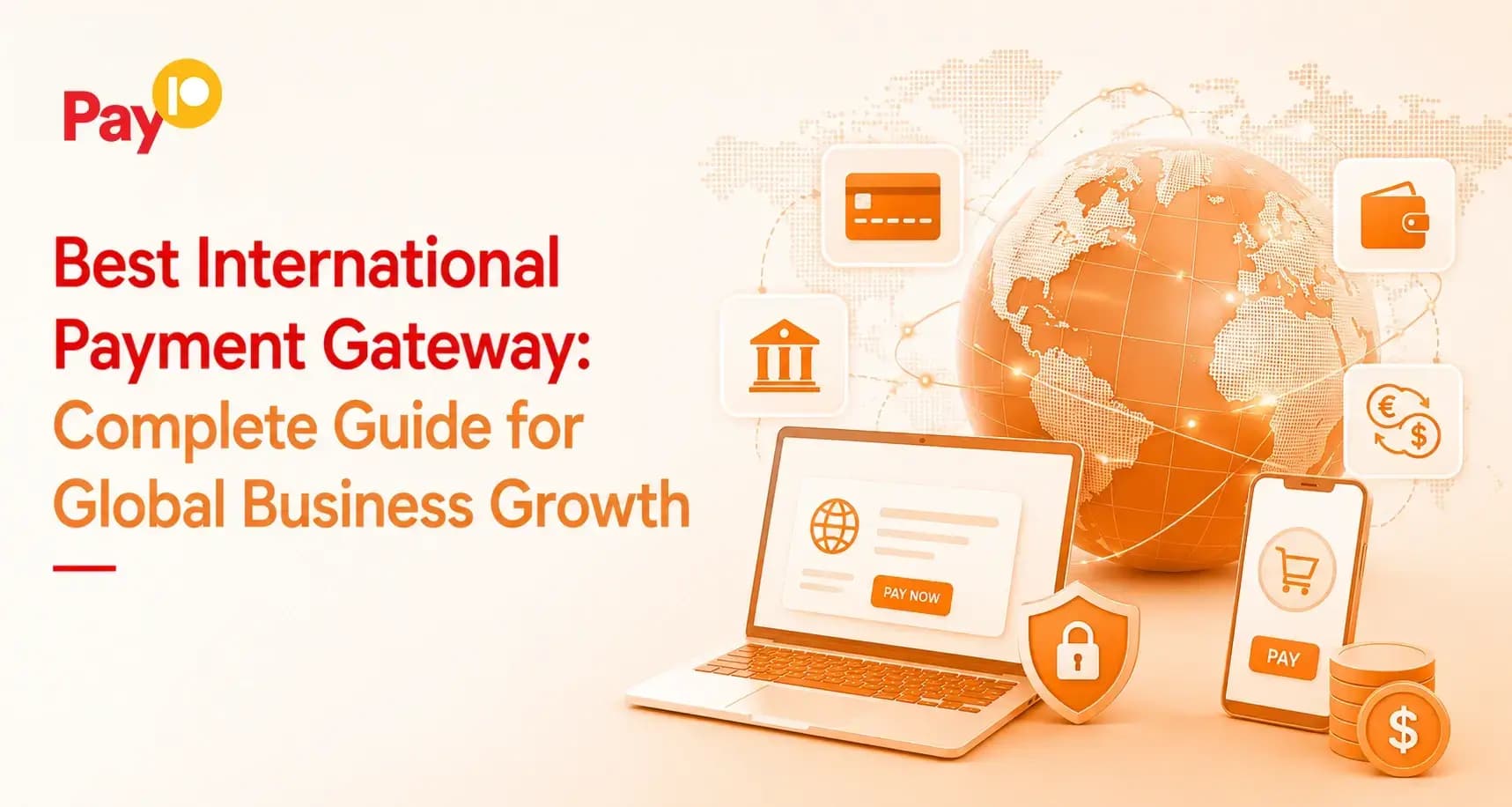
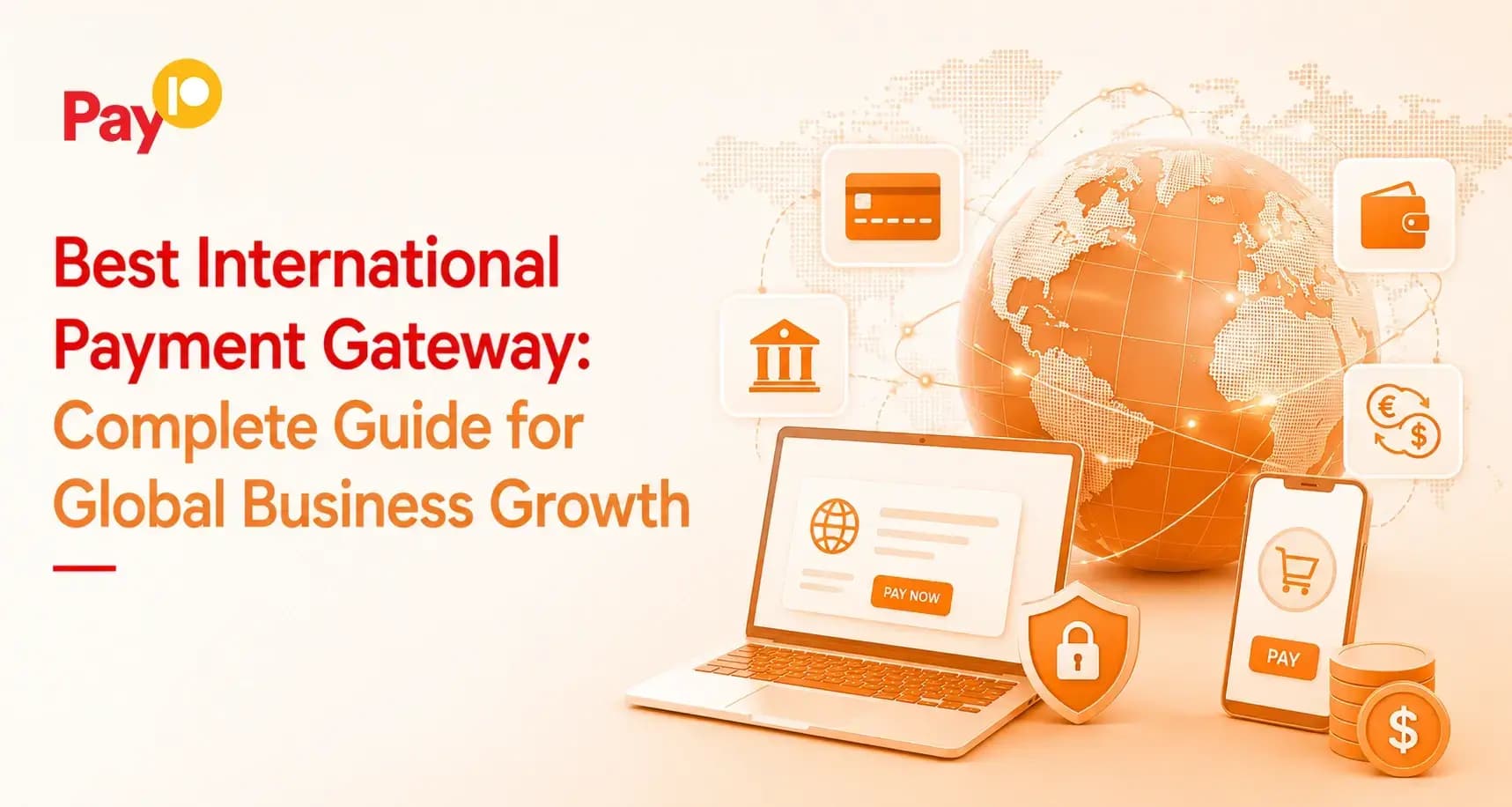
An international payment gateway is a technology platform that enables businesses to securely accept and process payments from customers across different countries, currencies, and payment methods. These payment methods may include credit and debit cards, bank transfers, digital wallets, recurring payments, payment links, and local payment solutions.
Modern gateways also offer multi-currency processing, real-time currency conversion, fraud prevention tools, tokenization, detailed reporting, and integration capabilities that help businesses expand internationally while maintaining secure and compliant payment operations.
Cross-border payments were once slow, expensive, and operationally complex. International transactions largely depended on correspondent banking networks and intermediary institutions, often requiring several business days for settlement.
Businesses faced challenges such as:
Security was also relatively immature. Early online payment systems lacked advanced fraud detection, tokenization, and strong authentication mechanisms, increasing risk for merchants and consumers alike.
Today's international payment gateways have transformed global commerce. Businesses can now:
Modern gateways commonly support:
Security standards have advanced significantly. Leading providers support PCI DSS Level 1 compliance, end-to-end encryption, tokenization, and 3D Secure 2.0 authentication. Advanced fraud prevention systems leverage machine learning, behavioural analytics, risk scoring, and device fingerprinting to reduce fraud while minimizing false transaction declines.
Whether online or on the go, Pay10 supports secure digital payment journeys through trusted payment infrastructure.
Blockchain-based payment infrastructure and regulated stablecoins are increasingly being explored for cross-border settlements. These technologies have the potential to reduce settlement times, lower transaction costs, and improve transparency.
Central Bank Digital Currencies (CBDCs) are also being evaluated by governments and central banks as a future mechanism for regulated digital transactions.
Artificial Intelligence is becoming a critical component of payment processing.
Applications include:
AI enables payment providers to identify anomalies and improve transaction success rates while maintaining strong security controls.
Open Banking continues to reshape global payments by enabling direct account-to-account transfers.
Real-time payment systems such as UPI, SEPA Instant, Pix, and other instant payment rails provide businesses and consumers with faster, lower-cost alternatives to traditional card payments.
As compliance requirements become more complex, payment providers are increasingly integrating automated compliance tools.
Modern RegTech capabilities include:
These capabilities help businesses scale internationally while maintaining compliance across jurisdictions.
The right payment gateway depends on business requirements, target geographies, preferred payment methods, integration needs, and transaction volumes.
Popular international payment gateways include:
Pricing varies by country, transaction volume, risk category, payment method, and currency. Merchants should always review current pricing directly with the provider before implementation.
Built for the future of payments, Pay10 enables businesses to offer fast, secure, and scalable digital payment experiences.
A payment gateway should support the countries and payment methods preferred by your customers.
Important considerations include:
Displaying prices and accepting payments in local currencies can improve customer confidence and reduce checkout friction.
Security should be a primary evaluation criterion.
Look for:
These standards help protect customer data and support regulatory compliance.
Consider:
Strong documentation and developer tooling can significantly reduce implementation time.
Evaluate the total cost of ownership, including:
Businesses with higher transaction volumes may be able to negotiate customized pricing structures.
Both payment methods play an important role in international commerce.
Advantages:
Challenges:
Advantages:
Challenges:
Digital wallets and local payment methods continue to gain popularity globally, giving businesses more flexibility in building region-specific payment experiences.
When evaluating providers:
Choosing the right gateway requires balancing cost, coverage, security, and scalability.
Businesses can reach customers worldwide through:
Benefits include:
Advanced fraud detection and modern security technologies help minimize fraud while protecting customer data.
Automation reduces manual effort across: