What Is a Prepaid Payment Instrument (PPI)? Meaning, Types, Benefits & How It WorksWhat Is a Prepaid Payment Instrument (PPI)? Meaning, Types, Benefits & How It Works

What Is a Prepaid Payment Instrument (PPI)? Meaning, Types, Benefits & How It Works

Abha

Abha, Content Team

August 21, 2026

Summary

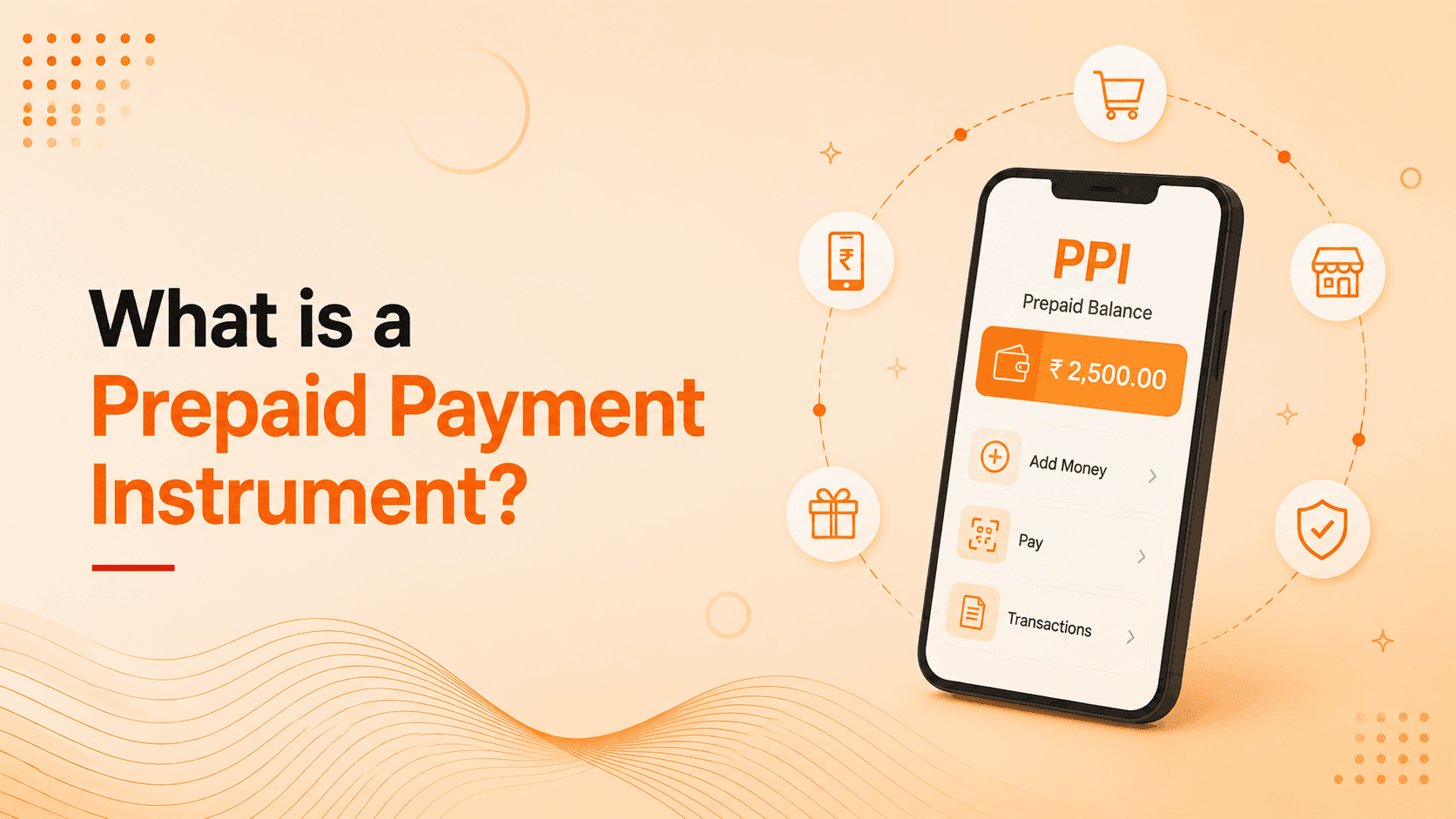
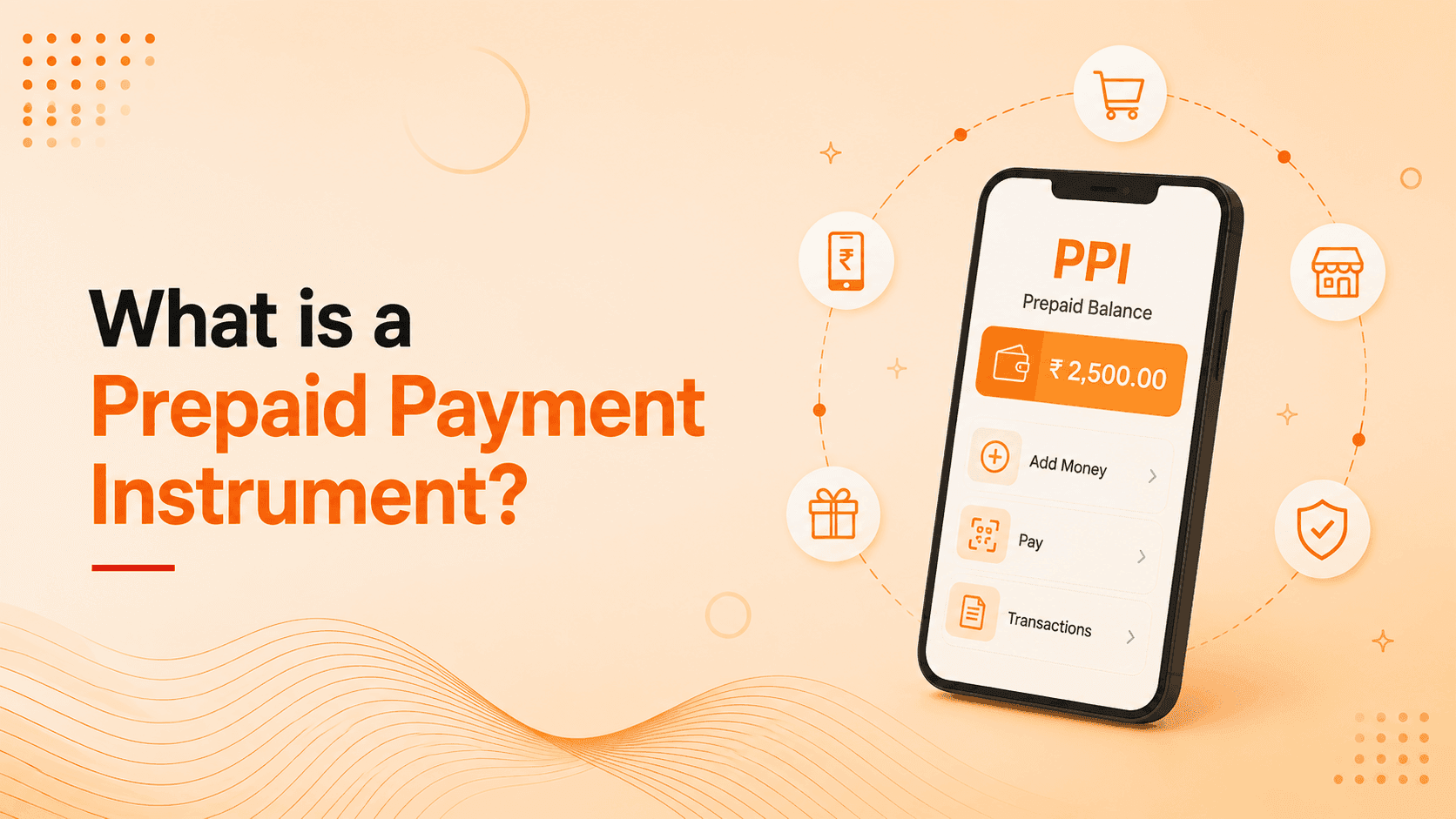
PPI is a payment tool where you load money first and spend it later. Think of digital wallets, prepaid gift cards, or metro transit cards. Instead of pulling funds directly from your bank account every time you tap or click, you use the balance already stored in the instrument.

Digital payments have completely transformed how we handle money - whether we're grabbing a morning coffee, paying for transit, or managing corporate expenses. At the center of this ecosystem are Prepaid Payment Instruments (PPIs).

Simply put, a PPI is a payment tool where you load money first and spend it later. Think of digital wallets, prepaid gift cards, or metro transit cards. Instead of pulling funds directly from your bank account every time you tap or click, you use the balance already stored in the instrument.

In India, PPIs are regulated by the Reserve Bank of India (RBI). Here is everything you need to know about how they work, their benefits, and how they differ from standard bank accounts and UPI.

Key Types of PPIs

Not all prepaid instruments work the same way. The RBI categorizes PPIs based on where and how they can be used:

  • Closed System PPIs: Issued by a specific business for buying goods or services only from that business (e.g., a store gift card or brand voucher). Cash withdrawals and third-party payments are not allowed. These do not require RBI authorization.
  • Semi-Closed System PPIs: Issued by banks or approved non-banks. You can use these to buy goods, services, or send money at participating merchants that have a contract with the issuer. You cannot withdraw cash.
  • Open System PPIs: Issued only by banks. These allow you to make purchases at any merchant, transfer funds, and withdraw cash at ATMs (e.g., prepaid debit cards).

How Does a PPI Work?

The journey of using a PPI is simple for the user, though there is a lot happening behind the scenes:

  1. Onboarding & KYC: You sign up and complete basic or Full-KYC verification depending on the account limits you need.
  2. Loading Funds: You add money to the PPI using net banking, a debit/credit card, or UPI.
  3. Transaction Execution: When making a payment, the issuer verifies your available balance and authenticates the transaction (via PIN, OTP, or biometrics).
  4. Settlement: The money is deducted from your stored balance, the merchant receives the funds via the payment network, and you get an instant notification.

Whether online or on the go, Pay10 supports secure digital payment journeys through trusted payment infrastructure.

PPI vs. Bank Account vs. UPI: What’s the Difference?

It’s easy to mix these up since they often appear side-by-side on payment screens. Here is how they differ:

Feature Prepaid Payment Instrument (PPI) Bank Account UPI (Unified Payments Interface)
What it is A stored-value payment tool A financial deposit account A payment network/infrastructure
Source of Funds Pre-loaded balance Bank deposits Linked bank account or PPI
Primary Purpose Controlled, purpose-specific spending Wealth storage, interest, broad banking Instant fund transfers between accounts

Note on UPI Interoperability: Eligible Full-KYC PPIs can now link directly to UPI. This means you can scan any UPI QR code and pay directly using your wallet balance, combining PPI stored value with UPI's wide acceptance network.

Core Benefits of PPIs

For Consumers:

  • Controlled Spending: Ideal for setting aside budgets for travel, subscriptions, or daily micro-transactions without exposing your main bank account.
  • Enhanced Security: Since it isn't linked directly to your primary bank balance, the financial risk in case of a lost card or online leak is strictly limited to the loaded amount.
  • Convenience: Quick checkouts and hassle-free gifting.

For Businesses:

  • Corporate Expenses: Easily distribute travel allowances, petty cash, or fuel cards to employees.
  • Rewards & Incentives: Issue branded gift cards or instant cashback rewards to customers and staff.

Built for the future of payments, Pay10 enables businesses to offer fast, secure, and scalable digital payment experiences.

Key Limitations to Keep in Mind

  • Holding & Spending Limits: RBI caps how much money you can hold or transfer depending on whether you have Minimum-KYC or Full-KYC.
  • Interest Rates: Unlike money in a savings bank account, balance stored in a PPI does not earn interest.
  • Acceptance: A PPI can only be used where the issuer’s network or interoperable framework (like UPI) is accepted.

Are PPIs Safe?

Yes, provided you stick to official apps and secure practices. Issuers are mandated by the RBI to enforce strict fraud monitoring, secure authentication, zero-liability policies for unauthorized transactions (under specific conditions), and fast grievance redressal.

Always keep your PINs and OTPs private, enable transaction alerts, and report suspicious activity immediately.
Frequently Asked Questions

What Is a Prepaid Payment Instrument (PPI)? Meaning, Types, Benefits & How It Works | Blog | Pay10